Paint correction at our Harrogate unit


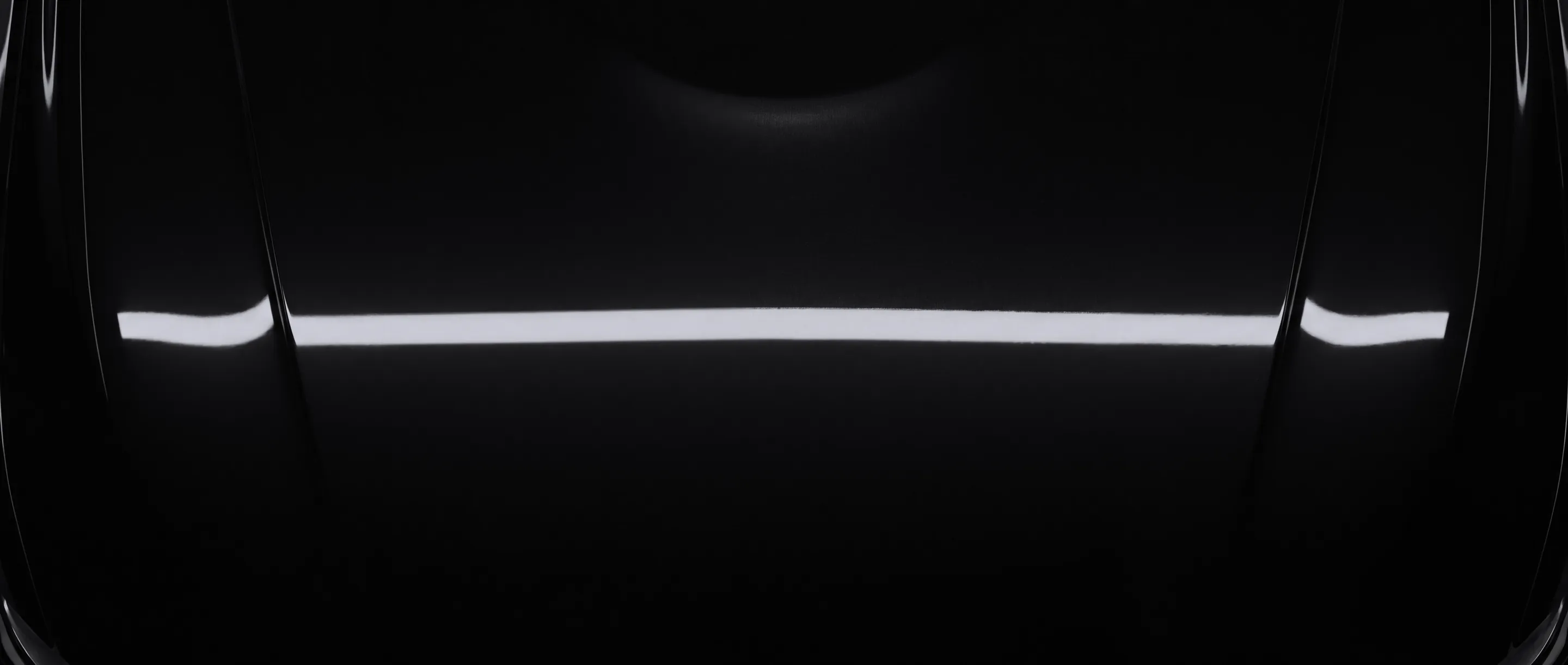
- What you see
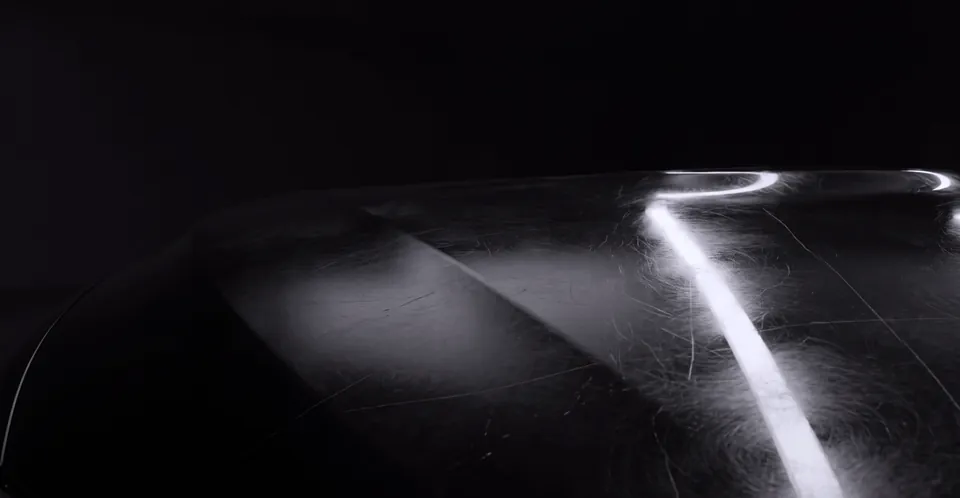
- Dense swirls and haze, with the reflection smeared
- Gloss at 60°
- 62
- Paint thickness
- 124 µm
- At our unit
- 1 to 3 days
- What you see
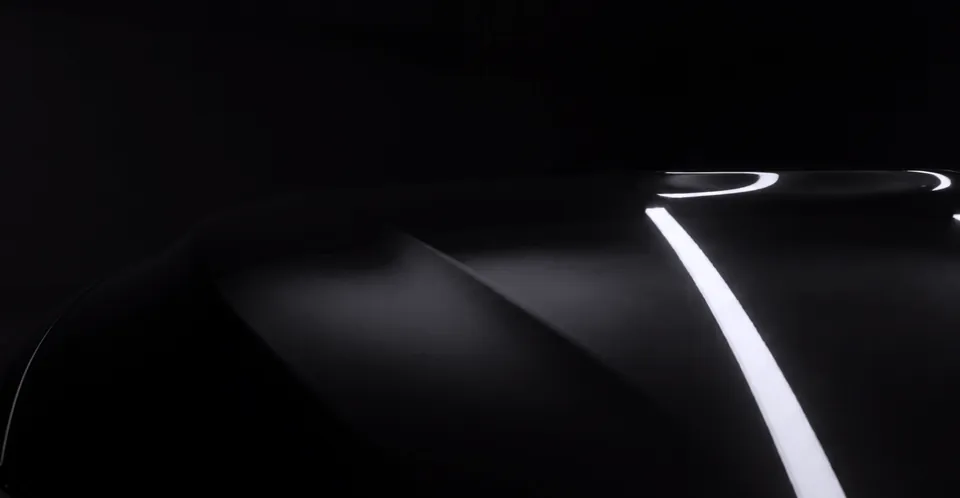
- Swirls gone, the reflection razor sharp
- Gloss at 60°
- 91
- Paint thickness
- 118 µm
- At our unit
- 1 to 3 days
What correction actually is
Swirls, haze and light scratches are grooves in the clear lacquer on top of your paint. Correction is machine polishing that levels the lacquer around each groove, so the surface is flat again and reflects light cleanly instead of scattering it.
It is the only thing that removes those marks. Glazes, waxes and 'swirl remover' products fill them for a few washes, then they come back.
Most swirls are not caused by the road. They come from washing: dirty mitts, brush car washes and drying with the wrong towel. So a correction is only half the job. The other half is changing how the car gets washed, which is why every correction goes home with a care guide.
How much paint it takes
A clear coat is typically 35 to 50 microns thick, about half the thickness of a sheet of paper. A single polishing pass removes roughly one to three microns of it. A two-stage correction usually takes a few microns in total and leaves the great majority of the clear coat intact.
That is why we measure every panel before we start. Thin or resprayed panels are corrected gently or not at all, and you are told which before any work begins.
What it will not fix
A scratch you can catch with a fingernail has usually gone through the clear coat into the colour, and polishing cannot put colour back. Stone chips are the same. We will tell you which marks will go, which will fade and which will stay, before you book.
It also cannot fix lacquer that is already failing, where the clear coat is peeling or turned cloudy. That panel needs a respray, not a polish.
Why it looks different in the sun
Poor polishing with the wrong machine leaves its own marks, called holograms, which only show in direct sunlight. We finish every car under daylight-temperature inspection lamps, so what you see in the bay is what you will see in the car park.
Under the inspection light
Every car gets two numbers before and after: a gloss meter reading, taken at 60 degrees on the same panel each time, and a paint depth reading in microns. One shows what the correction gained, the other what it cost.
- Gloss at 60° 6262 Measured on the bonnet, before and after
- Paint thickness 124124µm Six microns taken, of a clear coat around forty
Both readings go home with the car, alongside the photographs.
How we correct it
Five steps, the same on every car.
- 01
Measure
Depth readings on every panel before we quote, so we know how much lacquer there is to work with and where to be careful.
- 02
Wash and decontaminate
A safe wash, iron remover and clay. Polishing over bonded grit drags it across the paint and makes new scratches.
- 03
Test spot
We correct one small area first with the lightest combination that works, and show you the result before doing the rest.
- 04
Correct in stages
Heavier cutting where it is needed, then a finishing stage to refine the gloss, panel by panel, checked under the lamps.
- 05
Protect
Every panel is wiped of polishing oils, then sealed. Most customers add a ceramic coating so the finish lasts.
What would it cost for your car?
Three answers. The figure you get is not a formula — it is what we actually charged on the jobs in our own book that match yours.
Typically £865, across 4 jobs in our book.
Paint correction
Depth readings first, then two or three stages until the paint is right.
Every figure here is what we actually charged for work like yours. Yours is confirmed on the paint, with depth readings, before anything is booked.

In every correction
- Paint depth reportReadings for every panel, before and after.
- Test spot firstYou see the result before we commit.
- Two stages minimumA cut and a finishing polish on every panel.
- Daylight inspectionChecked under lamps that show every hologram.
- Panel wipePolishing oils removed so protection bonds.
- SealantThree months of protection as standard.
- Before and after photosOf the same panels under the same light.
- Care guideHow to wash it so the swirls stay gone.
What correction customers say
Live Google reviews, straight from our own profile.
Weekly maintenance round. The car never looks dirty now.
Front film on the GT3, edges wrapped. Can't find a seam.
Brought a tired classic back to deep gloss. Worth every hour.
Correction questions
Including the answers that talk people out of a bigger job.
Will it remove every scratch?
It removes swirls, haze and most light scratches. Deep scratches through the clear coat can be reduced but not removed. We tell you which is which from the test spot, before the full job.
How long does it last?
The correction itself is permanent: the marks are gone, not hidden. How long it stays that way depends on how the car is washed. Brush car washes will put swirls straight back.
Is it safe for my paint?
Done properly, yes. We measure first, take only what is needed and leave the great majority of the clear coat in place. The risk comes from polishing without measuring.
Can you correct a resprayed panel?
Usually, but more gently. Refinished paint can be softer or thinner than factory paint, which is exactly what the depth readings are for.
Can you correct my car on my drive?
No, and we would be wary of anyone who says yes. Correction needs controlled light to see every defect and a clean, still bay so grit is not blown onto the pad. It is the one job we only do at the unit.
How long will you need the car?
A two-stage correction is usually one to two days, and multi-stage two to three. Adding a coating adds a night so it can cure. You get the drop-off and collection days when you book, and we collect and return locally.
Should I get a coating afterwards?
We would recommend it. A coating makes the car far easier to wash, and easier washing is what stops the swirls coming back.
Correction for drivers across North Yorkshire
Every correction happens at the unit in Harrogate. We collect and return from all of these.